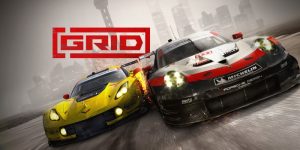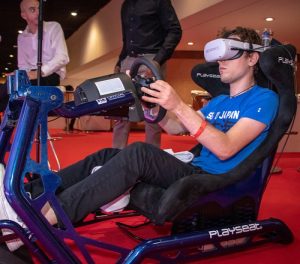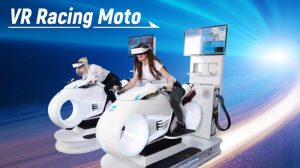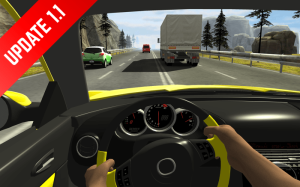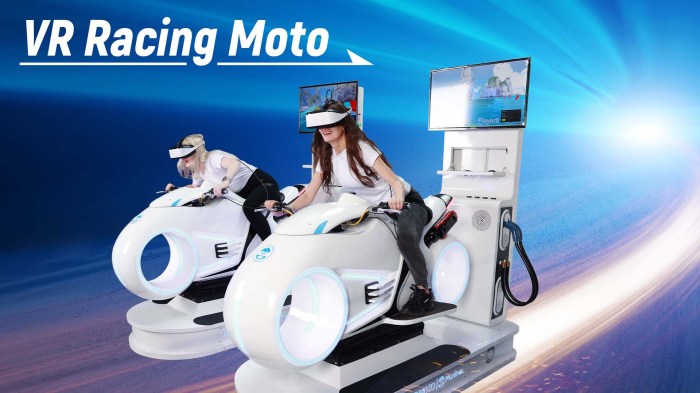
Ever dreamt of leaning into hairpin turns at breakneck speeds, the wind whipping past your virtual face? VR Bike Racing isn’t just a game; it’s a visceral experience, blurring the lines between reality and the digital world. This exploration dives into the exciting world of VR bike racing, examining its market potential, game design intricacies, monetization strategies, technological hurdles, and its place within the broader gaming landscape.
Get ready to buckle up!
From analyzing the current market size and identifying key demographics to delving into the core mechanics of compelling gameplay, we’ll cover everything from realistic physics engines and immersive visuals to the crucial aspects of sound design and intuitive controls. We’ll also explore different monetization models, the challenges of developing for various VR platforms, and how VR bike racing compares to other racing genres.
Prepare for a deep dive into the fast-paced and exciting world of virtual reality motorcycle racing!
Game Design and Development Aspects of VR Bike Racing
Creating a compelling VR bike racing game requires a delicate balance of realistic physics, intuitive controls, stunning visuals, and immersive sound design. The goal is to transport the player to a vibrant, challenging world where the thrill of the race is palpable and the sense of speed exhilarating.
Core Mechanics: Realistic Physics and Immersive Gameplay
The foundation of a successful VR bike racing game lies in its physics engine. Realistic handling is paramount; the bike should respond accurately to player input, simulating weight transfer, lean angles, and tire grip on different surfaces. This requires sophisticated algorithms that model forces like gravity, friction, and centrifugal force. For example, the player should feel the bike’s weight shift when leaning into a turn, and the consequences of aggressive braking or accelerating should be realistically represented.
Immersive gameplay is further enhanced by incorporating environmental factors such as wind resistance and varied terrain, adding another layer of challenge and realism. The integration of haptic feedback, where the player feels vibrations through the controller mimicking engine rumble or impacts, significantly enhances the sense of presence.
Intuitive Controls and Accessibility
Intuitive controls are crucial for accessibility and enjoyment across all skill levels. The game should offer customizable control schemes allowing players to tailor the experience to their preferences. Options should range from simplified controls for beginners to more advanced settings for experienced racers, allowing players to adjust sensitivity, steering response, and braking power. For instance, a beginner might prefer a more forgiving control scheme, while a seasoned player might opt for a more precise and responsive setup.
The user interface should be clear, concise, and easy to navigate, allowing players to quickly access settings and information without disrupting the gameplay flow. Consider offering various input methods, such as gamepad, motion controllers, or even steering wheel peripherals, to accommodate a wide range of player preferences.
Visual Elements: Graphics and Environments
High-quality visuals are essential for creating an immersive VR experience. Detailed bike models, realistic textures, and vibrant environments are key to creating a believable world. The game should leverage the capabilities of VR technology to deliver stunning visuals, including high-resolution textures, realistic lighting, and dynamic weather effects. For example, the player should be able to see the reflections of the environment on their bike’s polished surfaces, and feel the impact of rain or sunshine on their racing line.
Environments should be diverse and engaging, ranging from sun-drenched coastal roads to challenging mountain passes, each with its own unique characteristics and obstacles. Consider incorporating dynamic environmental elements such as moving vehicles or changing weather conditions to enhance the challenge and immersion.
Sound Design: Music and Sound Effects
Sound design plays a crucial role in enhancing the immersive quality of the VR racing experience. The engine sounds should be realistic and responsive to the bike’s speed and acceleration. The soundscape should dynamically change based on the environment, incorporating ambient sounds like wind, crowd cheers, and the sounds of passing vehicles. A dynamic soundtrack that adapts to the intensity of the race, building in excitement as the player approaches the finish line, can greatly enhance the overall emotional impact of the game.
The inclusion of high-quality sound effects, such as tire squeals, collisions, and power-up activations, adds to the realism and sense of presence.
Level Design: “Coastal Cliffs” Track
A well-designed track is essential for a compelling racing experience. The following points Artikel the design for a VR bike racing track, tentatively titled “Coastal Cliffs”:* Track Overview: A winding coastal track featuring dramatic cliffside sections, tight hairpin turns, and breathtaking ocean views.
Obstacles
Narrow cliffside paths with sudden drops, strategically placed rocks and debris, and unexpected jumps.
Power-Ups
Speed boosts scattered throughout the track, offering temporary advantages. Defensive power-ups like temporary shields could also be included to protect against collisions.
Shortcuts
Risky shortcuts through challenging terrain, offering significant time advantages but demanding precision and skill. These shortcuts might involve narrow ledges or precarious jumps over gaps.
Environment
The track winds along a rugged coastline, with the ocean visible throughout much of the race. The environment should include diverse elements like beaches, rocky cliffs, and lush vegetation, creating a visually stunning and varied landscape.
Monetization Strategies for VR Bike Racing Games
Choosing the right monetization strategy is crucial for the success of any VR bike racing game. The approach must balance maximizing revenue with providing a positive and fair player experience to ensure long-term engagement and avoid alienating the user base. Several models exist, each with its own advantages and disadvantages, and the optimal choice will depend on the game’s target audience and overall design.
Comparison of Monetization Models
Three primary monetization models are commonly employed: free-to-play (F2P), premium, and subscription. Free-to-play models offer the core game for free, generating revenue through in-app purchases. Premium models charge a one-time upfront fee for full access to the game. Subscription models require recurring payments for continued access to content and features. Each approach presents unique challenges and opportunities within the VR bike racing genre.
A free-to-play model might attract a larger player base initially, but requires careful design of in-app purchases to avoid feeling exploitative. A premium model allows for a more polished experience upfront, but may limit the overall player count. A subscription model offers consistent revenue but necessitates continuous content updates to retain subscribers.
In-App Purchases in VR Bike Racing
In-app purchases (IAPs) can be a significant revenue source for free-to-play VR bike racing games. Cosmetic items, such as unique bike skins, rider outfits, and helmet designs, are popular choices, offering players a way to personalize their experience without impacting gameplay balance. Power-ups, offering temporary advantages like speed boosts or improved handling, can also be incorporated, but must be carefully balanced to avoid creating a pay-to-win scenario.
The key is to ensure IAPs enhance the game’s enjoyment rather than creating an unfair advantage. Examples of successful implementations include the cosmetic item shops found in many popular mobile games, where players can purchase visually appealing items without affecting the core gameplay. Offering a variety of price points and bundles is also important to cater to different player spending habits.
Successful Monetization Strategies in Online Games
Several successful online games offer valuable insights into effective monetization. Rocket League, a popular vehicular soccer game, successfully utilizes a premium model with a robust in-game cosmetic item marketplace. This allows players to customize their vehicles without impacting gameplay fairness, creating a lucrative revenue stream while maintaining a positive player experience. Fortnite, a battle royale game, uses a free-to-play model with a battle pass system and cosmetic item sales, providing a clear path to progression for both paying and free players.
The key element in both examples is a focus on fairness and providing value to players for their money, regardless of whether they spend anything or not. This builds a positive community and encourages long-term engagement.
Revenue Stream Plan for a New VR Bike Racing Game
The following table Artikels a potential revenue stream plan for a new VR bike racing game, targeting different user segments. This plan incorporates elements from both premium and free-to-play models to maximize reach and revenue.
| User Segment | Monetization Method | Specific Examples | Projected Revenue Contribution |
|---|---|---|---|
| Casual Players | Free-to-Play with Cosmetic IAPs | Bike skins, rider outfits, helmet designs, simple track modifications. | 30% |
| Competitive Players | Premium Content & Season Pass | Early access to new tracks, exclusive bikes with minor performance advantages, special events. | 40% |
| Dedicated Fans | Subscription for Exclusive Content | Monthly rewards, access to beta versions, exclusive tournaments, priority customer support. | 20% |
| All Players | In-game Advertising (Limited & Non-Intrusive) | Branded billboards on tracks, subtle sponsorships. | 10% |
Technology and Platform Considerations for VR Bike Racing
Building a thrilling and realistic VR bike racing experience requires careful consideration of the underlying technology and the chosen platform. The goal is to deliver smooth, immersive gameplay that minimizes motion sickness while maximizing the feeling of speed and control. This involves selecting appropriate hardware, optimizing performance across different VR headsets, and understanding the unique development challenges inherent in VR game creation.
The success of a VR bike racing game hinges on a seamless blend of hardware capabilities, software optimization, and platform-specific considerations. Let’s delve into the key technological aspects that shape the player’s experience.
Optimal VR Hardware and Software Requirements
Achieving a truly immersive VR bike racing experience necessitates high-performance hardware and well-optimized software. The minimum specifications should ensure a stable frame rate (ideally 90fps or higher) to prevent motion sickness and provide responsive controls. Beyond the minimum, higher specifications will allow for increased graphical fidelity, resulting in a more visually stunning and realistic environment. This includes higher resolution textures, more detailed models, and more complex lighting and shadow effects.
Software-wise, a robust game engine capable of handling the complexities of VR rendering and physics simulations is crucial. Efficient code and optimized algorithms are essential for maintaining performance even under heavy load. For example, using techniques like level of detail (LOD) rendering and occlusion culling can significantly improve performance without sacrificing visual quality.
Challenges and Opportunities of Different VR Platforms
Developing for different VR platforms (Oculus, HTC Vive, PlayStation VR, etc.) presents both challenges and opportunities. Each platform has its own unique strengths and weaknesses regarding hardware capabilities, SDKs, and user bases. For instance, Oculus headsets might offer higher resolution displays, while HTC Vive headsets might feature wider fields of view. PlayStation VR, with its larger installed base within the PlayStation ecosystem, offers access to a significant player pool.
However, each platform requires tailored development efforts to optimize performance and leverage platform-specific features. The challenges include adapting the game’s visuals and controls to accommodate varying screen resolutions, field of view, and tracking accuracy. Opportunities arise from leveraging platform-specific features, such as hand tracking or haptic feedback, to enhance immersion. Careful planning and testing across different platforms are crucial to ensure a consistent and high-quality experience for all players.
Optimizing Game Performance and Minimizing Motion Sickness
Motion sickness in VR games is a significant hurdle. In fast-paced racing games like VR bike racing, this is especially crucial. Several techniques can mitigate motion sickness. These include maintaining a high and consistent frame rate, minimizing latency between head movements and visual updates, and carefully designing the camera movement to avoid jarring transitions. Implementing techniques such as smooth camera transitions, avoiding excessive camera shake, and providing players with options to adjust the field of view can greatly improve comfort.
Furthermore, optimizing game assets, using efficient rendering techniques, and employing asynchronous loading to minimize frame drops are essential for maintaining a smooth and immersive experience. For example, using level of detail (LOD) rendering to reduce the polygon count of distant objects can dramatically improve performance.
VR Game Development vs. Traditional Game Development
Developing for VR presents unique challenges and differences compared to traditional PC or console game development.
- Focus on Immersion: VR development prioritizes creating immersive and believable experiences, requiring careful attention to detail in visual fidelity, sound design, and interactive elements. Traditional games can prioritize other aspects like gameplay mechanics or story.
- Motion Sickness Considerations: VR developers must actively address potential motion sickness, employing techniques like smooth camera movement and minimizing latency. Traditional game development doesn’t typically require this level of consideration.
- Head Tracking and Interaction: VR development involves integrating head tracking and hand tracking technologies, demanding unique programming and design considerations for user interaction. Traditional games use standard input devices.
- Performance Optimization: VR games require more stringent performance optimization due to the higher processing demands of rendering two separate high-resolution images for each eye. Traditional games have less demanding performance requirements.
- Testing and Iteration: VR game development necessitates extensive playtesting and iteration to address comfort and immersion issues, often requiring more specialized testing equipment. Traditional games can often rely on less specialized testing methods.
Broader Gaming Market Context
VR bike racing occupies a unique niche within the broader gaming landscape, borrowing elements from established genres while offering a distinctly immersive experience. Understanding its relationship to other game types is crucial for predicting its success and identifying potential avenues for growth and innovation. This analysis will explore the similarities and differences between VR bike racing and related genres, highlighting opportunities for cross-genre appeal and innovative game design.VR bike racing shares a core gameplay loop with online car racing games: navigating a track, competing against opponents, and striving for the fastest lap time.
However, the addition of VR fundamentally alters the player experience.
VR Bike Racing Compared to Online Car Racing Games
The immersive nature of VR significantly enhances the sense of speed and control in bike racing. Unlike traditional car racing games, VR bike racing allows for a more visceral connection to the machine, making even minor adjustments feel more impactful. Players feel the lean of the bike in turns, the bumps in the road, and the adrenaline rush of high speeds in a way that’s impossible to replicate with a traditional controller.
This heightened sense of presence translates into increased player engagement and a more memorable gaming experience. Conversely, the increased physical demands and potential for motion sickness might limit accessibility compared to the more casual nature of some online car racing titles. The competitive aspect remains largely similar, with leaderboards, rankings, and potentially esports opportunities present in both genres.
VR Bike Racing Compared to Other Bike Games
VR bike racing differs significantly from motocross or BMX games, which typically focus on tricks, stunts, and off-road terrain. While both genres involve riding bikes, the core gameplay mechanics are distinct. Motocross and BMX games emphasize precision jumps, grinds, and other acrobatic maneuvers, whereas VR bike racing prioritizes speed, racing lines, and strategic overtaking. The VR element in bike racing adds another layer of realism and immersion, focusing on the experience of riding a bike on a closed track at high speed, whereas motocross and BMX games are often more arcade-like in their physics and gameplay.
However, elements like challenging terrain or obstacle courses could be incorporated into VR bike racing to add variety and complexity.
Crossover Appeal to Online Driving Game Players
The potential crossover appeal of VR bike racing to players of online driving games is significant. Many driving game enthusiasts appreciate the thrill of speed and competition, and VR bike racing offers a fresh and immersive way to experience these elements. The sense of presence and control offered by VR could attract players seeking a more realistic and engaging driving experience than traditional flat-screen games can provide.
Marketing efforts could target players of popular driving game franchises, emphasizing the unique advantages of VR technology. Furthermore, the inclusion of familiar driving game mechanics, such as drifting or slipstreaming, could further enhance the appeal to this audience.
Integrating Elements from Other Genres
The integration of elements from other genres presents exciting opportunities to enhance the VR bike racing experience. RPG elements, such as character progression, customizable bikes with unique stats and abilities, and a narrative-driven campaign, could add depth and replayability. Collectible items, including virtual apparel, bike modifications, and unique tracks, could incentivize continued engagement and create a sense of accomplishment.
For example, imagine unlocking new bike parts through successful races, each with unique performance characteristics. The addition of a robust social component, including guilds, chat features, and community events, could foster a strong sense of community among players.
Exploring Related Online Game Development Concepts

Building a compelling online multiplayer experience for a VR bike racing game requires careful consideration of several interconnected factors. Success hinges on seamless integration of online features, robust server infrastructure, and a well-designed user experience that leverages the unique aspects of VR technology while minimizing common pitfalls. The following sections delve into the intricacies of developing such a game.
Developing an Online Multiplayer Component for a VR Bike Racing Game
Creating an online multiplayer component involves designing a system that allows multiple players to connect, race simultaneously, and interact within the virtual environment. This necessitates the implementation of a robust networking architecture, typically utilizing a client-server model or a peer-to-peer approach with a central server for matchmaking and leaderboards. The client-side code manages the rendering of the game world and player interactions for each individual player, while the server manages game logic, synchronization of player positions and actions, and the overall game state.
Efficient data compression and prediction algorithms are crucial to minimize latency and ensure a smooth racing experience, even with many players. Consideration should also be given to handling player disconnections and reconnections gracefully, preventing disruptions to the ongoing race. For example, a well-designed system might use interpolation and extrapolation techniques to smooth out any perceived jumps in other players’ positions caused by network lag.
Challenges of Implementing Online Matchmaking and Leaderboards in a VR Environment
Implementing online matchmaking presents unique challenges in VR. Beyond typical matchmaking considerations like skill level and latency, the system must also account for potential differences in VR hardware and player comfort levels. For example, some players might be using high-end VR headsets with low latency, while others might be experiencing higher latency due to less powerful hardware or network conditions.
The matchmaking algorithm needs to consider these factors to create fair and enjoyable races. Leaderboards require careful design to prevent cheating and ensure accurate rankings. This often involves incorporating anti-cheat measures and robust verification systems. Additionally, the leaderboards must be easily accessible and visually appealing within the VR environment, providing a clear and engaging presentation of player rankings and achievements.
Importance of Server Infrastructure and Network Optimization for a Successful Online VR Bike Racing Game
Server infrastructure plays a critical role in the performance and scalability of an online VR bike racing game. A robust server architecture is essential to handle a large number of concurrent players, minimizing latency and ensuring stable gameplay. The choice of server technology and location impacts the overall player experience. For instance, using geographically distributed servers can reduce latency for players in different regions.
Network optimization techniques, such as data compression, efficient packet handling, and predictive algorithms, are crucial for minimizing network overhead and maintaining a smooth and responsive gameplay experience. The server should also be designed to handle potential DDoS attacks and other security threats to ensure the game’s stability and integrity. For example, a game might use content delivery networks (CDNs) to serve game assets efficiently to players worldwide.
Step-by-Step Guide for the Development Pipeline of an Online VR Racing Game
The development pipeline for an online VR racing game is complex and iterative. Careful planning and execution are essential for success.
- Concept and Design: Define core gameplay mechanics, art style, target audience, and monetization strategy.
- Prototyping: Create a basic playable prototype to test core mechanics and identify potential issues.
- Networking Implementation: Develop the client-server architecture, including matchmaking, player synchronization, and data handling.
- VR Integration: Integrate VR specific features and optimize the game for various VR headsets.
- Asset Creation: Develop high-quality 3D models, textures, sounds, and animations.
- Testing and Iteration: Conduct thorough testing throughout development, incorporating feedback from playtesters.
- Optimization: Optimize the game for performance and stability across different VR headsets and network conditions.
- Deployment and Launch: Deploy the game to the chosen platform(s) and launch the game.
- Post-Launch Support: Provide ongoing support, bug fixes, and updates to maintain player engagement.
Final Wrap-Up
VR Bike Racing isn’t just a fleeting trend; it’s a burgeoning genre with immense potential. As VR technology continues to advance and become more accessible, we can expect even more immersive and thrilling experiences. The key to success lies in creating a compelling blend of realistic physics, intuitive controls, and captivating visuals, all while employing smart monetization strategies that prioritize the player experience.
The future of VR bike racing is bright, and we’re just scratching the surface of what’s possible.
Helpful Answers
What VR headsets are compatible with most VR bike racing games?
Many games support Oculus Rift, HTC Vive, and PlayStation VR, but compatibility varies depending on the specific game. Always check the game’s system requirements.
How do developers prevent motion sickness in VR bike racing games?
Techniques include smooth camera movements, minimizing jarring transitions, offering adjustable field of view settings, and incorporating comfort options like teleportation instead of continuous movement.
What are the common challenges in developing online multiplayer for VR bike racing?
Challenges include synchronizing player movements across different VR headsets with low latency, handling network interruptions gracefully, and ensuring fair gameplay with robust anti-cheat measures.
Are there any physics engines specifically designed for VR bike racing?
While no engine is exclusively designed for VR bike racing, popular choices like Unreal Engine and Unity are frequently adapted and customized to create realistic bike physics and handling in VR environments.