Ever dreamed of conquering virtual mountain passes or winning nail-biting online races against rivals worldwide? Online bike competitions offer just that – a blend of adrenaline-pumping action, skillful maneuvering, and intense competition, all from the comfort of your own home. From realistic physics engines to diverse game modes, the world of online cycling is a dynamic and ever-evolving landscape, attracting both casual gamers and esports professionals alike.
This exploration dives deep into the exciting world of online bike competitions, examining everything from the various game types and technological advancements to the thriving communities and the potential impact of gambling integration.
We’ll explore the history of these digital races, analyzing the evolution of game mechanics, graphics, and online multiplayer functionality. We’ll also investigate the economic models powering these games, including the ethical and legal considerations surrounding the incorporation of gambling elements. Get ready to pedal into the fast-paced and exciting world of competitive online cycling!
The Online Bike Competition Landscape
The world of online bike competitions has exploded in recent years, transforming from niche hobbyist events to a vibrant and competitive landscape attracting thousands of participants globally. This growth is driven by technological advancements, the increasing popularity of cycling, and the inherent appeal of virtual competition. This section will explore the key players, historical evolution, current trends, and future potential within this exciting digital arena.
Major Players and Developers in the Online Bike Competition Market
Several key players dominate the online bike competition market, each offering unique features and platforms. Zwift, arguably the most prominent name, provides a fully immersive virtual world with interactive courses and group rides. TrainerRoad focuses on structured training plans integrated with virtual racing, catering to a more performance-oriented audience. Rouvy offers a unique approach by utilizing real-world video footage of cycling routes, providing a more realistic experience.
Other notable players include FulGaz, which also utilizes real-world video, and Bkool, known for its extensive course library and competitive features. These platforms are constantly evolving, adding new features and improving their user experience to maintain their competitive edge. The development of these platforms involves significant investment in software engineering, 3D modeling, and game design, reflecting the complexity and sophistication of the modern online bike competition experience.
Evolution of Online Bike Competitions
The evolution of online bike competitions mirrors the advancements in technology and the increasing accessibility of smart trainers and cycling sensors. Early versions were primarily limited to basic power-based competitions, often relying on simple software and limited interaction. The emergence of platforms like Zwift marked a significant turning point, introducing immersive virtual worlds and social features that transformed the online cycling experience.
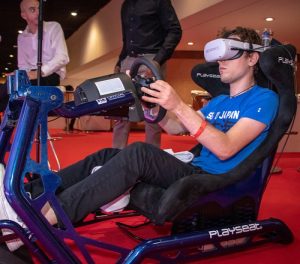
The incorporation of virtual reality (VR) technology represents the latest frontier, promising even more realistic and engaging competitions. This progression reflects a continuous improvement in graphics, software integration, and the overall user experience, driving broader adoption and increasing competitiveness.
Market Trends and Future Potential
Several key trends are shaping the future of online bike competitions. The increasing integration of esports elements, such as professional leagues and prize pools, is attracting a wider audience and elevating the competitive aspect. The growth of virtual group rides and social features continues to foster a sense of community and engagement among participants. Furthermore, the integration of advanced analytics and personalized training plans offers significant benefits for both amateur and professional cyclists.
The future potential is substantial, with possibilities for further technological integration (such as haptic feedback and more realistic physics engines), expansion into new cycling disciplines (like mountain biking and gravel riding), and continued growth in the professional esports arena. For example, the success of Zwift’s professional racing leagues and the increasing prize money in online competitions showcase the market’s potential for significant expansion.
Timeline of Online Bike Competition Development
The following timeline highlights key milestones in the development of online bike competitions:
- Early 2000s: Basic power-based competitions emerge, utilizing simple software and limited interaction.
- Mid-2010s: Platforms like Zwift revolutionize the market with immersive virtual worlds and social features.
- Late 2010s – Present: Increased competition among platforms, focusing on enhanced graphics, improved realism, and integration of training plans.
- Present – Future: Growing integration of esports elements, virtual reality technology, and expansion into new cycling disciplines.
Technology and Development in Online Bike Competitions
The world of online bike racing has exploded in popularity, thanks to advancements in game development technology. Creating immersive and competitive experiences requires a complex interplay of physics engines, networking solutions, and clever game design. This section delves into the technological underpinnings that make these virtual races possible and thrilling.
Realistic bike physics and engaging environments are crucial for a compelling online bike competition. Achieving this involves sophisticated programming and modeling techniques.
Realistic Bike Physics and Environments
Game developers employ advanced physics engines to simulate realistic bike behavior. These engines use complex algorithms to model factors such as gravity, friction, tire grip, and air resistance. For example, a popular engine like Unreal Engine or Unity uses numerical integration techniques to calculate the bike’s movement frame by frame, reacting to terrain changes and player input. The environment itself is created using 3D modeling software, with detailed textures and physics properties assigned to each surface.
This allows for realistic interactions, such as bikes skidding on loose gravel or bouncing off obstacles. Advanced techniques like procedural generation can create vast and varied landscapes, preventing repetitive gameplay. The level of detail varies depending on the game’s target platform and performance requirements, with higher-end games often boasting incredibly realistic terrain and lighting effects.
Online Multiplayer Functionality
Implementing seamless online multiplayer requires robust networking infrastructure and efficient data synchronization. Games typically use client-server architectures, where a central server manages game state and player interactions. Client machines (players’ computers) send input data (steering, acceleration, braking) to the server, which then processes this information, applies physics, and updates the game state for all players. To minimize latency and ensure a smooth racing experience, developers employ techniques like client-side prediction and server reconciliation.
Client-side prediction allows players to see immediate responses to their inputs, even before the server confirms them, reducing perceived lag. Server reconciliation then corrects any discrepancies between the client’s prediction and the server’s authoritative game state. The choice of networking technology (e.g., UDP or TCP) impacts the game’s performance and responsiveness. For example, UDP is often preferred for its speed, even if it sacrifices some reliability, as small packets lost are less impactful than significant delays.
Hypothetical New Feature: Dynamic Weather System
A dynamic weather system would significantly enhance the realism and replayability of online bike competitions. This feature would introduce randomly changing weather conditions during races, such as rain, fog, and strong winds. The implementation would involve creating a weather simulation module that affects both the environment and bike physics. Rain, for example, would reduce tire grip, making corners more challenging and increasing the likelihood of crashes.
Fog would limit visibility, requiring players to rely more on their navigational skills and awareness. Strong winds would act as an additional force affecting bike handling, making it harder to maintain control, especially at high speeds. The system could be further enhanced by introducing different weather intensity levels, providing a wider range of challenges. Data from real-world weather patterns could be incorporated to add realism and variety.
Imagine a race starting under sunny skies, then transitioning to a torrential downpour halfway through, completely altering the race strategy.
Data Analytics for Improved Gameplay
Game developers utilize data analytics to gather insights into player behavior and game performance. This data is collected from various sources, including player actions, race results, and in-game events. For example, tracking player lap times, crash rates, and route choices helps identify problematic areas in the game’s design. Analyzing player progression reveals which parts of the game are engaging and which might need improvement.
This data-driven approach allows developers to optimize game balance, improve the user experience, and identify potential bugs or exploits. For instance, a high crash rate at a particular corner might indicate the need for track adjustments or a change in the bike’s physics model. By continuously monitoring and analyzing this data, developers can ensure a fair and enjoyable online racing experience for all players.
Real-time analytics dashboards allow developers to monitor key metrics and react quickly to any issues that arise during live events.
The Community and Culture of Online Bike Competitions
The vibrant world of online bike competitions isn’t just about the thrill of virtual races; it’s about the passionate communities that have sprung up around them. These communities foster a sense of camaraderie, competition, and shared passion for cycling, regardless of geographical location or physical limitations. They provide a space for riders of all skill levels to connect, learn, and push their limits, creating a unique and dynamic culture within the digital realm.Online bike competition communities thrive on a diverse range of platforms, each offering a unique contribution to the overall ecosystem.
Types of Online Bike Competition Communities
Various online platforms serve as hubs for online bike competition communities. Dedicated forums offer structured discussions, allowing riders to share tips, strategies, and experiences. Social media groups, such as those on Facebook and Discord, provide a more informal and immediate way for participants to connect, share race highlights, and organize events. Specialized websites and apps often incorporate integrated community features, enabling direct communication between racers and organizers.
These platforms, while different in their approach, collectively contribute to a thriving and interconnected online cycling world.
Examples of Successful Online Bike Competition Events and Tournaments
Several online bike competition events and tournaments have achieved remarkable success, demonstrating the growing appeal of this form of virtual competition. Zwift’s virtual races, for instance, frequently attract thousands of participants, fostering a highly competitive and engaging environment. Similarly, platforms like RGT Cycling have built strong communities around their organized events, offering a variety of race formats and challenges to suit different preferences.
These successful events often incorporate leaderboards, virtual rewards, and social features to enhance the overall experience and drive engagement. The consistent growth in participation and the development of sophisticated virtual race environments highlight the success of these initiatives.
The Role of Esports and Professional Competition in Online Bike Competitions
The rise of esports has significantly impacted the online bike competition landscape. Professional cyclists are increasingly participating in virtual races, attracting sponsorships and prize money, mirroring the structure and recognition found in traditional esports. This professionalization adds a layer of prestige and excitement, drawing in a wider audience and further legitimizing online bike competitions as a serious form of athletic competition.
The integration of professional riders elevates the competition level, providing aspiring virtual cyclists with role models and aspirational goals.
Case Study: Zwift’s Community
Zwift stands out as a prime example of a successful online bike competition community. Its platform seamlessly integrates virtual racing with social interaction, fostering a strong sense of community. Zwift’s success can be attributed to several key features: a highly realistic and engaging virtual world, a diverse range of race formats and training plans, a robust social platform for interaction and event organization, and a strong focus on gamification through leaderboards, virtual rewards, and challenges.
This holistic approach has cultivated a loyal and engaged community, significantly contributing to Zwift’s dominance in the online cycling world. The platform’s impact extends beyond just competition; it fosters a sense of shared passion, promoting fitness and social connection amongst its users worldwide.
Online Game Development and Related Genres
Developing online bike racing games presents a unique set of challenges and opportunities compared to other online racing genres, such as car racing. The physics involved, the control mechanics, and even the monetization strategies differ significantly, requiring developers to approach the design and implementation with a specialized understanding. This section will explore these differences and delve into the intricacies of developing engaging and profitable online bike racing experiences.
Development Process Comparison: Bike Racing vs. Car Racing
Online bike racing games, compared to car racing games, necessitate a greater focus on physics related to balance and momentum. While car racing games often prioritize speed and acceleration, bike games must accurately simulate leaning, weight shifting, and the delicate balance required to maintain control, especially during turns and jumps. This translates to a more complex development process, requiring more sophisticated physics engines and more intricate AI opponent behavior to realistically mirror the nuances of bike handling.
Car racing games, on the other hand, can often simplify the physics model, focusing more on speed and collision detection. The development of realistic bike handling often requires iterative testing and adjustments to ensure a playable and enjoyable experience, which can extend development timelines.
Challenges and Opportunities in Online Bike Game Development
Developing realistic bike handling and physics in online driving games presents significant challenges. The narrow stability margin of a bike, compared to a car, necessitates precise control and responsiveness from the game’s physics engine. Accurately simulating factors like tire grip, center of gravity shifts, and the effects of terrain on bike handling is crucial for creating a believable and immersive experience.
The challenge lies in finding the right balance between realism and playability – a physics model that’s too realistic might be frustratingly difficult, while one that’s too simplified might feel unrealistic and unengaging. Opportunities arise in exploring innovative control schemes, such as motion controls or haptic feedback, to enhance the immersive experience. Furthermore, the potential for unique game mechanics, such as wheelies, stoppies, and advanced stunt maneuvers, provides ample room for creative gameplay features.
Monetization Strategies in Online Bike Games
Online bike games, like many other online games, employ a variety of monetization strategies. Common approaches include free-to-play models with in-app purchases (IAPs), where players can purchase cosmetic items like bike skins, character customizations, or virtual currency. Subscription models, offering premium features or exclusive content, are also utilized. In some cases, a hybrid model combines free-to-play elements with a paid version offering additional content or features.
The success of these monetization strategies hinges on creating a fair and balanced game economy that doesn’t feel exploitative or overly intrusive to players. This requires careful consideration of pricing, the value offered by IAPs, and the overall game design to ensure a positive player experience. Examples of successful monetization strategies can be seen in games like “Trials Fusion” and “MXGP,” which utilize a combination of base game purchases and cosmetic IAPs.
Game Design Principles: Online Bike Games vs. Gambling Card Games
The design principles underlying online bike games and gambling card games differ significantly. Bike games prioritize skill, precision, and reaction time. Gameplay focuses on mastering the bike’s handling, navigating challenging tracks, and outperforming opponents through strategic maneuvering. The core loop revolves around repeated attempts at improving performance, leading to a sense of accomplishment and progression. Gambling card games, on the other hand, emphasize chance, risk assessment, and strategic betting.
The core loop revolves around placing bets, evaluating probabilities, and relying on luck to determine the outcome. While strategy plays a role, the element of chance is central to the experience. The design of user interfaces, rewards systems, and overall gameplay mechanics are tailored to reflect these fundamental differences in core gameplay. The visual styles and aesthetics also dramatically differ, reflecting the distinct themes and target audiences of each genre.
Gambling and Online Games (Comparative Analysis)
The worlds of online bike racing and online gambling, while seemingly disparate, share intriguing similarities in their user engagement strategies and economic models. Both leverage competitive elements and reward systems to keep players hooked, but the ethical and legal landscapes surrounding them differ significantly. This section will explore these parallels and divergences, focusing on user experience, ethical considerations, legal frameworks, and economic models.
User Experience and Engagement Strategies
Online bike racing games typically focus on skill-based progression, offering players a sense of accomplishment through mastering virtual courses, upgrading bikes, and competing against others. Engagement is driven by the thrill of competition, the satisfaction of improvement, and the social aspect of interacting with other players within a community. In contrast, online gambling platforms rely heavily on chance and the promise of immediate, potentially large, financial rewards.
Engagement is fueled by the excitement of risk-taking, the anticipation of winning, and the potential for significant financial gains. While both utilize leaderboards and reward systems, the nature of the reward and the path to achieving it differ dramatically. Bike racing games reward consistent skill and dedication, while gambling platforms rely on luck and the unpredictable nature of chance.
Ethical Considerations of Gambling Elements in Online Bike Competitions
Integrating gambling elements into online bike racing games raises significant ethical concerns. The risk of addiction, particularly among vulnerable populations, is paramount. The potential for exploitation through manipulative game design, such as loot boxes offering random in-game advantages or the ability to gamble on the outcomes of races, must be carefully considered. Transparency and responsible gaming practices are crucial to mitigate these risks.
A clear distinction between skill-based gameplay and gambling elements is essential, ensuring that players are fully aware of the potential financial consequences involved. Furthermore, robust age verification and responsible gambling tools must be implemented to protect minors and individuals prone to problem gambling.
Legal and Regulatory Frameworks Surrounding Online Gambling
The legal and regulatory landscape surrounding online gambling varies significantly across jurisdictions. Many countries have strict regulations governing online gambling, including licensing requirements, responsible gambling measures, and limitations on advertising. These regulations are designed to protect consumers and prevent illegal gambling activities. The incorporation of gambling elements into online bike racing games would necessitate compliance with these regulations, potentially requiring licensing and adherence to specific responsible gaming guidelines.
Failure to comply could result in significant legal penalties and reputational damage. The legal implications must be carefully considered before introducing any gambling features. The impact of these regulations could significantly affect the design and distribution of online bike racing games, potentially limiting their reach in certain markets.
Economic Models in Online Bike Games and Online Gambling Platforms
| Feature | Online Bike Games | Online Gambling Platforms | Comparison |
|---|---|---|---|
| Revenue Model | Primarily free-to-play with in-app purchases (cosmetic items, upgrades), subscription models, or one-time purchases. | Primarily based on the “house edge” – the inherent advantage the platform has over players. Revenue is generated through losses incurred by players. | Significant difference; bike games prioritize sustained engagement, while gambling platforms rely on player losses. |
| Monetization Strategies | Microtransactions, season passes, expansion packs, advertising (in some cases). | Wagering fees, rake (a percentage of winnings), commissions on transactions. | Bike games offer a variety of less exploitative monetization methods; gambling platforms are inherently more reliant on player losses. |
| Player Retention | Focuses on providing a compelling and engaging gameplay experience, fostering a sense of community, and regular content updates. | Relies on the excitement of chance, potential for large wins, and psychological factors related to gambling addiction. | Retention strategies differ greatly, reflecting the core mechanics of each type of platform. |
| Profitability | Generally lower profit margins compared to gambling platforms, but more sustainable long-term revenue streams. | Potentially very high profit margins due to the inherent advantage of the house, but subject to significant regulatory oversight and risk of legal repercussions. | High-risk, high-reward versus lower-risk, lower-reward. |
Gambling-Related Industries and Their Connection to Online Games

The rise of online gaming has inextricably linked the gambling and gaming industries, creating a complex ecosystem with significant economic and regulatory implications. This connection necessitates a robust regulatory framework to ensure fairness, protect players, and prevent illicit activities. Understanding the roles of gambling commissions, the economic impact of gambling-centric locations, and the mechanics of gambling chips is crucial to navigating this evolving landscape.
Gambling Commissions and Their Regulatory Impact
Gambling commissions are governmental bodies responsible for overseeing and regulating all forms of gambling within their jurisdictions, including online gaming. Their primary role is to ensure that gambling operators adhere to strict rules and regulations designed to protect consumers and prevent crime, such as money laundering. This includes licensing operators, monitoring their activities for compliance, investigating complaints, and enforcing penalties for violations.
For example, the UK Gambling Commission sets strict standards for responsible gambling, including advertising restrictions and requirements for age verification. Similarly, the Nevada Gaming Control Board in the US regulates casinos and online gambling within the state, employing rigorous auditing and surveillance techniques. Their impact is significant, shaping the operational landscape of online gaming companies and promoting a safer environment for players.
Economic Impact of Gambling Cities and Their Relationship with Online Gaming
Cities known for their established gambling industries, such as Las Vegas or Macau, often experience significant economic benefits. These benefits extend beyond the direct revenue generated by casinos; they include increased tourism, employment opportunities in related sectors (hotels, restaurants, entertainment), and increased tax revenue for local governments. The emergence of online gaming presents both opportunities and challenges for these “gambling cities.” While online gaming may divert some revenue away from traditional casinos, it also offers opportunities for expansion and diversification.
For instance, online platforms can reach a much wider global audience, generating revenue streams that complement those of physical casinos. However, this also requires these cities to adapt their strategies and regulations to encompass the digital realm, potentially leading to collaborations between online gaming companies and established land-based operators.
Types of Gambling Chips and Their Use
Gambling chips, also known as casino chips or gaming tokens, are used in casinos and online gambling platforms to represent monetary value. In physical casinos, chips come in various denominations and colors, facilitating quicker transactions and reducing the handling of large sums of cash. Online gambling platforms use virtual chips that serve a similar purpose, representing specific monetary values within the online game.
While physical chips vary in design and material (often clay composite), online chips are purely digital representations, their appearance varying depending on the platform’s design. Both physical and digital chips are essential for managing bets and payouts efficiently, and their use contributes to the smooth operation of both offline and online gambling environments.
Job Responsibilities of a Gambling Commission Officer Focusing on Online Gaming Regulation
A gambling commission officer specializing in online gaming regulation plays a critical role in maintaining the integrity and fairness of the industry. Their responsibilities typically include reviewing and processing license applications from online gaming operators, conducting regular audits and compliance checks to ensure adherence to regulations, investigating complaints from players regarding unfair practices or potential fraud, monitoring online gambling activity for suspicious patterns (e.g., money laundering), enforcing penalties for violations of regulations, collaborating with international organizations to combat cross-border gambling crime, and staying abreast of technological advancements and emerging trends in online gaming to adapt regulations accordingly.
This requires a combination of legal expertise, technical understanding, and strong analytical skills.
Ending Remarks
From the thrilling gameplay of various online bike competition platforms to the complex economic and legal landscapes surrounding the industry, this journey into the digital world of cycling has revealed a multifaceted and dynamic ecosystem. The future of online bike competitions looks bright, with continuous innovation in technology, a growing esports scene, and the potential for even more engaging and immersive experiences.
Whether you’re a seasoned pro or a casual rider, the world of online bike competitions promises an exhilarating ride for years to come. So, gear up, hit the digital trails, and prepare for the race of your life!
Helpful Answers
What are the system requirements for most online bike competition games?
System requirements vary widely depending on the game. Generally, you’ll need a reasonably modern computer with a decent graphics card and sufficient processing power. Check the specific game’s website for detailed requirements.
Are there free-to-play online bike competition games?
Yes, many online bike competition games offer free-to-play options, often with in-app purchases or subscription models for premium content or features.
How do I find online bike competitions to participate in?
Many games have built-in tournament systems. You can also find information about organized competitions through online gaming communities, forums, and esports websites dedicated to cycling games.
What are the risks associated with gambling in online bike games?
As with any form of gambling, there’s a risk of financial loss and potential for addiction. It’s crucial to gamble responsibly, set limits, and seek help if needed.