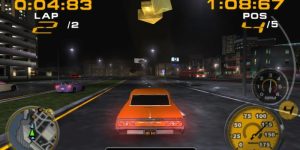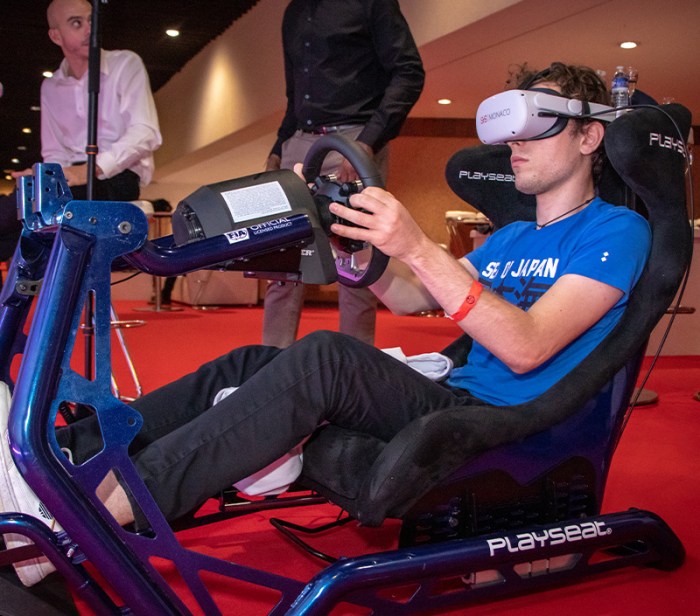
Ever dreamed of feeling the roar of the engine, the grip of the tires, and the thrill of victory, all from the comfort of your own home? Sim racing offers just that, transporting you to the heart of the action with incredible realism. From the subtle nuances of car handling to the intense competition of online leagues, sim racing is a multifaceted hobby that blends technology, skill, and community in an exhilarating experience.
This exploration delves into the world of sim racing, examining its hardware, software, community, and the exciting future it holds.
We’ll navigate the diverse landscape of sim racing platforms – PC, console, and mobile – comparing their strengths and weaknesses. We’ll explore the crucial role of hardware, from steering wheels that mimic real-world feel to advanced motion platforms that immerse you completely. And we’ll examine the software that brings it all to life, analyzing the intricacies of popular titles and their unique features.
Get ready to accelerate into the world of sim racing!
Defining Sim Racing Experiences
Sim racing, at its core, transcends simple video games. It’s the immersive pursuit of replicating the thrill and challenge of real-world motorsport, offering a blend of skill, strategy, and technological prowess. A compelling sim racing experience hinges on a delicate balance of realistic physics, engaging gameplay, and a satisfying sense of progression.Sim racing experiences are defined by several key elements.
Firstly, realistic physics engines are crucial; these meticulously model tire grip, aerodynamic forces, and vehicle dynamics, allowing for nuanced control and demanding precise driving techniques. Secondly, high-fidelity graphics and sound design significantly contribute to immersion, transporting the player to the virtual track. Finally, a robust and competitive online multiplayer component often enhances the experience, providing opportunities for social interaction and intense competition against other players worldwide.
The level of customization and depth of vehicle setups also significantly impacts the overall experience, catering to both casual players and hardcore sim racers seeking a highly realistic and customizable experience.
Sim Racing Platforms: A Comparison
Sim racing is available across a range of platforms, each offering unique advantages and disadvantages. PC sim racing, generally considered the most sophisticated, provides the highest level of fidelity, customization, and modding capabilities. High-end PCs can render incredibly detailed graphics and support advanced peripherals like direct drive steering wheels and sophisticated motion platforms. Consoles, such as PlayStation and Xbox, offer a more accessible entry point, with pre-configured setups and simpler interfaces.
While the graphical fidelity and physics may be slightly less refined compared to PC, consoles offer a convenient and readily available platform for many gamers. Mobile sim racing experiences, while offering portability, typically sacrifice graphical detail and physics realism for ease of access and simplified controls. The trade-off is a more casual and less demanding experience, often suited for shorter play sessions.
Technological Advancements in Sim Racing
The sim racing landscape is constantly evolving, driven by technological advancements in several key areas. Graphics processing power continues to improve, leading to increasingly realistic visuals and detailed environments. Physics engines are becoming ever more sophisticated, incorporating more nuanced models of tire behavior, aerodynamics, and vehicle dynamics. This allows for a more accurate and challenging driving experience.
Advancements in virtual reality (VR) technology have significantly enhanced immersion, providing a truly breathtaking and realistic driving experience. Haptic feedback technology, through advanced steering wheels and other peripherals, further increases the sense of realism by providing tactile feedback that mirrors the sensations of driving a real car. Finally, the development of increasingly realistic AI opponents provides a challenging and engaging experience for solo players.
For example, the AI in recent racing titles like “iRacing” and “Assetto Corsa Competizione” has become significantly more sophisticated, requiring strategic racing lines and precise driving to overcome.
Hardware and Software in Sim Racing
Stepping into the world of sim racing opens up a universe of possibilities, far beyond the simple button-mashing of console games. The experience is deeply intertwined with the quality of your hardware and software, creating a level of realism and immersion that can be truly breathtaking. Choosing the right components is crucial to maximizing your enjoyment and achieving optimal performance.
This section explores the diverse range of hardware options and software titles available, helping you navigate this exciting landscape.
Sim Racing Hardware Options
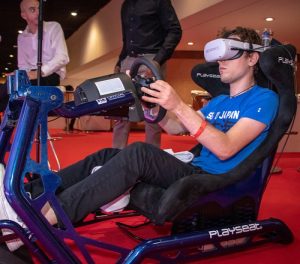
The hardware landscape in sim racing is vast and varied, catering to budgets from casual enthusiasts to professional-level sim racers. The core components include the steering wheel, pedals, and seat, but the possibilities extend far beyond these basics. Let’s delve into the specifics.Steering wheels range from basic, entry-level options with limited functionality to highly sophisticated direct-drive wheels that offer unparalleled force feedback.
Pedal sets mirror this variety, with options offering adjustable brake sensitivity, clutch functionality, and even load cell technology for more realistic braking feel. Seats, too, run the gamut, from simple bucket seats to fully-adjustable, custom-built rigs that provide maximum comfort and support during extended racing sessions. Beyond these essentials, you can add peripherals such as handbrake units, shifters, and even motion platforms for an even more immersive experience.
Consider your budget and desired level of realism when selecting your hardware. A more significant investment in high-quality components will noticeably enhance the overall sim racing experience.
Sim Racing Software Comparison
The software you choose will significantly impact your sim racing experience. Different titles offer varying levels of realism, track selection, car physics, and online multiplayer features. Each simulator has its strengths and weaknesses, making the choice dependent on your preferences and priorities.Here’s a brief comparison of some popular sim racing software titles:
- iRacing: Known for its highly realistic physics engine, extensive library of licensed tracks and cars, and robust online racing community. It is a subscription-based service, which means ongoing costs, but the quality is often considered top-tier.
- Assetto Corsa Competizione: Focuses specifically on GT3 racing, offering incredibly detailed car models and realistic handling. It’s a popular choice among sim racers who appreciate the accuracy and challenge of GT racing.
- rFactor 2: A highly customizable and versatile simulator that allows users to modify almost every aspect of the experience. It boasts a large selection of mods and tracks, but may require more technical expertise to set up and use effectively.
- Automobilista 2: Features a broad range of cars and tracks, including a strong focus on South American circuits. It offers a good balance between realism and accessibility.
- Project Cars 3: Offers a more arcade-style experience compared to the others listed, making it a great entry point for new sim racers. While less realistic in its physics, it’s more accessible and easier to learn.
Sim Racing Wheel Comparison Table
Choosing the right steering wheel is a crucial decision, influencing the overall feel and realism of your sim racing experience. The table below compares some popular options, considering factors like price, force feedback type, and features.
| Wheel Model | Manufacturer | Force Feedback Type | Approximate Price (USD) |
|---|---|---|---|
| Fanatec CSL Elite Racing Wheel | Fanatec | Direct Drive | $500 – $700 |
| Thrustmaster T300 RS GT Edition | Thrustmaster | Belt Driven | $300 – $400 |
| Logitech G923 | Logitech | Hybrid | $200 – $300 |
| Simucube 2 Sport | Simucube | Direct Drive | $800 – $1200 |
The Sim Racing Community and Culture
The sim racing world isn’t just about virtual speed; it’s a vibrant, global community fueled by passion, competition, and a shared love for the thrill of motorsport. This community thrives online and offline, fostering a unique culture that blends virtual racing with real-world camaraderie and rivalries. From casual racers to professional esports athletes, everyone finds their place within this diverse ecosystem.The interconnected nature of online sim racing has fostered a strong sense of community, allowing racers from all corners of the globe to connect, compete, and share their experiences.
This community is built upon shared interests, mutual respect (mostly!), and a healthy dose of competitive spirit. The accessibility of sim racing, thanks to the decreasing cost of entry and the rise of online platforms, has further broadened its appeal, welcoming players of all skill levels.
Prominent Sim Racing Communities and Online Forums
Several online platforms serve as central hubs for the sim racing community. These platforms facilitate communication, event organization, and the sharing of setups, tutorials, and other helpful resources. iRacing, for example, boasts a built-in community platform where users can join leagues, participate in races, and interact with other drivers. Reddit’s r/simracing subreddit provides a large, active community for discussions on all aspects of sim racing, from hardware recommendations to the latest news and updates.
RaceDepartment is another popular forum where sim racers can find information, share experiences, and engage in lively debates. Each platform offers a unique flavor, catering to different aspects of the sim racing experience, and collectively they create a vast and interconnected network.
Competitive Aspects of Sim Racing and Professional Esports Involvement
Sim racing has evolved significantly, transitioning from a niche hobby to a professional esports discipline. Major competitions, such as the Formula 1 Esports Series, attract top sim racers from around the world, competing for substantial prize pools and sponsorships. These events are broadcast live to large audiences, showcasing the skill and dedication required to excel at the highest level of sim racing.
The competitive aspect is central to the sim racing culture, driving innovation in both driving techniques and simulator technology. Many sim racers dedicate countless hours to practice and refinement, striving for that extra tenth of a second to gain an edge over their rivals. This dedication mirrors the commitment seen in real-world motorsport, creating a compelling parallel between virtual and physical racing.
Comparison of Different Sim Racing Leagues and Their Structures
Sim racing leagues vary significantly in their structure, rules, and focus. Some leagues emphasize casual racing, providing a relaxed environment for racers of all skill levels. Others are highly competitive, demanding a high level of skill and commitment. For instance, leagues within iRacing often have a tiered system, allowing racers to progress through different classes based on their performance.
Other platforms, such as Assetto Corsa Competizione, feature leagues organized by individual communities or teams, offering diverse racing experiences. These leagues often have different regulations regarding car setups, driving standards, and penalties. Some leagues focus on specific racing series, such as Formula 1 or GT racing, while others provide a broader range of racing disciplines. The diverse range of leagues ensures that sim racers can find a competitive environment that matches their skill level and interests.
The Business of Sim Racing
Sim racing, once a niche hobby, has exploded in popularity, transforming into a significant industry with diverse revenue streams and substantial growth potential. This burgeoning market attracts developers, publishers, hardware manufacturers, and a passionate community, all contributing to its complex and dynamic business landscape. Understanding the financial underpinnings of sim racing is crucial to appreciating its current success and future prospects.Sim racing game developers and publishers employ a variety of revenue models to capitalize on this growing market.
These models are often interwoven, creating a multifaceted approach to monetization.
Revenue Models in Sim Racing
The primary revenue streams for sim racing game developers and publishers include initial game sales, downloadable content (DLC), in-app purchases (IAP), subscriptions, and sponsorships. Initial game sales form the bedrock of many titles, generating substantial upfront revenue. However, the long-term profitability often hinges on the success of post-launch content and engagement strategies. DLC, such as new cars, tracks, or game modes, provides a steady stream of income after the initial release.
IAPs, frequently involving cosmetic items or performance enhancements, offer players opportunities for customization and competitive advantage, driving continuous revenue. Subscription models, offering access to premium content or features, are becoming increasingly prevalent, providing recurring income. Finally, sponsorships from automotive brands and peripheral manufacturers inject further revenue into the ecosystem, creating lucrative partnerships. For example, Assetto Corsa Competizione relies heavily on partnerships with real-world racing teams and car manufacturers, integrating their branding and providing realistic car models.
This synergistic approach benefits both the game and its sponsors.
Market Size and Growth Potential
The sim racing market is experiencing significant growth, driven by advancements in technology, increased accessibility, and the growing popularity of esports. Precise figures are difficult to pinpoint due to the fragmented nature of the industry, but market research indicates a substantial and rapidly expanding market. The availability of affordable and high-quality hardware, coupled with the rise of competitive online racing, is attracting a wider audience, including casual gamers and dedicated sim racers.
The increasing integration of VR technology further enhances the immersive experience, driving market expansion. The growth is further fueled by the rising popularity of sim racing esports, which attracts substantial viewership and sponsorship opportunities, mirroring the success of traditional esports. For instance, the success of the iRacing platform, with its competitive leagues and prize pools, showcases the potential for significant revenue generation within the esports sphere of sim racing.
Monetization Within Sim Racing Games
Monetization within sim racing games goes beyond simple initial purchases. DLC expansions, offering new cars, tracks, and features, are a crucial component of the revenue model. Consider the example of the many expansion packs released for titles like iRacing and RaceRoom Racing Experience, which regularly introduce new content to maintain player engagement and generate ongoing revenue. In-app purchases offer further monetization opportunities, with cosmetic items, such as liveries and car modifications, generating considerable revenue.
These IAPs can range from minor cosmetic changes to significant performance upgrades, catering to different player preferences and budgets. The careful balance between providing compelling free content and offering attractive paid options is critical to successful monetization within sim racing games. Subscription models, like those offered by iRacing, provide a reliable revenue stream, guaranteeing a consistent income flow based on player subscriptions.
This recurring revenue model allows for continuous development and support of the game.
Sim Racing and Related Online Gaming

Sim racing occupies a unique space within the broader landscape of online gaming. While sharing some common ground with arcade-style driving games, its core mechanics and overall experience differ significantly. This distinction stems from its commitment to realism, a feature that sets it apart and attracts a dedicated community.Sim racing games prioritize accurate physics modeling, detailed vehicle dynamics, and realistic track representations.
This focus leads to a steeper learning curve compared to less demanding driving games, rewarding players with a deeper sense of accomplishment as they master the nuances of car control and racing strategy. Conversely, arcade racers often favor accessibility and immediate gratification, prioritizing fun and quick gameplay over precise simulation.
Gameplay Mechanics Compared to Other Online Driving Games
Sim racing games emphasize precision and skill. Factors like tire wear, fuel consumption, aerodynamic effects, and even weather conditions significantly impact performance. Players must manage these elements strategically, making nuanced adjustments to driving style and car setup to achieve optimal results. Arcade racers, on the other hand, typically simplify these complexities, focusing instead on immediate feedback and exciting action.
For example, in a sim racing game like iRacing, a slight oversteer on a corner can lead to a spin-out, requiring precise counter-steering and throttle control to recover. In an arcade racer like Need for Speed, a similar mistake might result in a minor skid, easily corrected with a quick tap of the brakes. The difference lies in the level of realism and the consequential player skill required.
Similarities and Differences Between Sim Racing and Bike Racing Games
While both sim racing and bike racing games aim for realism in some cases, the core gameplay experiences differ significantly due to the fundamental differences between cars and motorcycles. Both genres require precise control and strategic thinking, but the physics involved are vastly different. Bikes are far more sensitive to changes in weight distribution and lean angle, demanding a different skillset from players.
Sim racing often involves managing traction, braking, and acceleration across four wheels, whereas bike racing focuses on balance, lean, and throttle control with only two wheels. Games like Ride 4 and MotoGP 22 offer realistic bike handling, demanding a higher level of precision and finesse than many car racing games. However, even the most realistic bike racing games generally lack the level of detailed car setup and telemetry data available in top-tier sim racing titles.
Integration of Car Racing Elements into Other Online Game Genres
Car racing elements are increasingly incorporated into other online game genres, enriching gameplay and adding layers of depth. Examples include vehicular combat games like Twisted Metal, where driving skill directly impacts combat effectiveness. Open-world RPGs often feature car chases and racing sequences as integral parts of their narrative or side quests. Even strategy games sometimes incorporate racing or driving mechanics, such as supply line management or unit deployment in real-time strategy (RTS) games.
These integrations demonstrate the versatility of car racing mechanics and their ability to enhance the player experience across various game genres. The competitive aspects of car racing, especially the strategic and skill-based elements, readily translate to other competitive online game experiences.
Exploring the Intersection of Sim Racing and Gambling
Sim racing, at its core, is a competitive and engaging hobby. However, the lines between skillful competition and the allure of gambling can sometimes blur, raising important ethical considerations. This section explores the potential connections between sim racing and online gambling, examining the risks involved and considering responsible gambling measures within the sim racing community.The most obvious link between sim racing and gambling lies in the rise of esports betting.
While sim racing competitions already offer substantial prize pools, external betting platforms often provide additional opportunities for wagering on race outcomes, individual driver performance, and even in-game events. This creates a financial incentive beyond the inherent thrill of competition, potentially attracting individuals more interested in the gamble than the sport itself.
Esports Betting and Sim Racing
The integration of esports betting into the sim racing world introduces a layer of complexity. While it can boost viewership and prize pools, attracting sponsors and further professionalizing the sport, it also carries significant risks. The potential for addiction, financial losses, and the exploitation of vulnerable individuals are all serious concerns. Many platforms offer in-play betting, where odds change constantly based on the unfolding race, creating a fast-paced and potentially addictive experience.
This is further amplified by the readily available nature of online betting, accessible from anywhere with an internet connection. Responsible gambling measures, such as age verification, deposit limits, and self-exclusion options, are crucial to mitigate these risks.
Responsible Gambling Measures in Sim Racing
Implementing responsible gambling measures within the sim racing community requires a multi-faceted approach. Game developers and platform providers can integrate tools that limit spending, encourage breaks, and provide access to resources for problem gamblers. Furthermore, clear and accessible information about responsible gambling should be readily available within the sim racing ecosystem. This could include links to support organizations and educational materials that highlight the risks associated with gambling addiction.
The sim racing community itself plays a vital role through promoting awareness and encouraging responsible behavior amongst its members. This could involve community-led initiatives, discussions, and support networks for those struggling with gambling addiction.
Risk Factors: Sim Racing vs. Other Online Gambling
While both sim racing with integrated betting and other forms of online gambling share some risk factors, such as addiction and financial loss, there are key differences. In traditional online gambling, the outcome is often entirely dependent on chance, whereas skill plays a significant role in sim racing, even when betting is involved. A skilled sim racer has a higher chance of winning, reducing the purely random element found in games like online slots or roulette.
However, this doesn’t negate the risk. The competitive pressure and the allure of potential financial gains can still lead to problematic behavior, even for skilled racers. The fast-paced nature of in-play betting in sim racing esports further exacerbates this, potentially triggering addictive behaviors more readily than other forms of online gambling with slower-paced gameplay. The social aspect of sim racing communities can also be a double-edged sword; peer pressure and the desire to keep up with others can contribute to irresponsible gambling habits.
Closure
From the finely tuned mechanics of high-fidelity simulators to the electrifying energy of online competitions, sim racing offers a uniquely immersive and rewarding experience. Whether you’re a seasoned racer or a curious newcomer, the world of sim racing promises a thrilling journey filled with technological innovation, fierce competition, and a passionate community. As technology continues to evolve, the future of sim racing looks brighter than ever, with virtual reality and augmented reality poised to push the boundaries of realism and immersion even further.
So, buckle up and prepare for the ride of your life!
Commonly Asked Questions
What’s the best sim racing wheel for beginners?
For beginners, a wheel with force feedback and a decent range of adjustability is ideal. Look for options in the mid-range price point from reputable brands like Logitech or Thrustmaster.
How much does it cost to get started with sim racing?
The cost can vary widely. A basic setup with a wheel and pedals can start around $200, while high-end setups with motion platforms and advanced peripherals can cost thousands.
Are sim racing games difficult to learn?
The learning curve depends on the game and your prior experience. Some games are more arcade-like and easier to pick up, while others are highly realistic and require significant practice to master.
Can I play sim racing games online with friends?
Yes! Many sim racing games offer robust online multiplayer modes, allowing you to race against friends and other players worldwide.